
Food habits that don't require a plan
The most durable nutrition changes are the ones that require the least willpower. Proximity, habit stacking, and small additions matter more than any specific diet.

Why food habits beat food rules
Rules require enforcement. Habits run automatically. The difference matters enormously when you're tired, busy, or stressed — which is most of the time for most people.
Food rules create a binary: you're either following them or you've broken them. Habits don't work that way. Missing one meal doesn't undo a pattern. The pattern reasserts itself the next day because it's become the default.
Sibehe focuses on building food habits — not prescribing food rules. The distinction shapes everything about how we approach nutrition content.
Areas we cover
Hydration Habits
Water intake affects energy, concentration, and appetite in ways that are easy to underestimate. Practical approaches to staying hydrated without constant reminders.
Adding Before Subtracting
Rather than removing foods, start by adding vegetables, fiber, and protein to meals you already eat. The additions naturally crowd out less nutritious options over time.
Eating Pace
Slowing down while eating — putting the fork down between bites, chewing more thoroughly — changes how much you eat and how satisfied you feel afterward.
Kitchen Environment
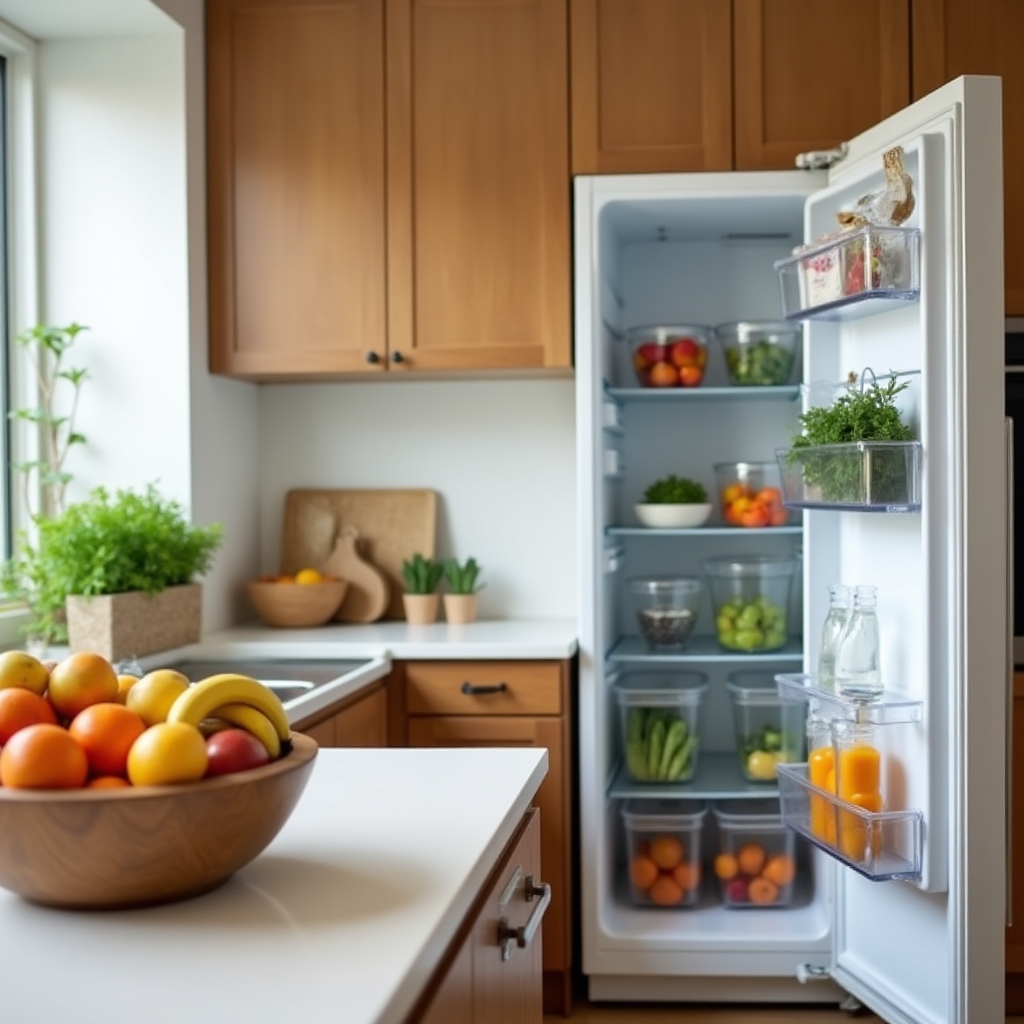
What's visible and accessible in your kitchen shapes what you eat more than any meal plan. Arranging your environment to make nutritious choices the default requires almost no willpower.
Meal Anchoring
Having one or two reliable, nutritious meals you return to consistently reduces decision fatigue and keeps eating patterns stable without requiring constant planning.
Snack Awareness
Snacking isn't inherently problematic. The question is whether it's intentional or automatic. Noticing when and why you snack is the starting point for making it work for you.
The kitchen environment shapes what you eat
Research in behavioral nutrition consistently shows that people eat what's in front of them. A fruit bowl on the counter gets used. Vegetables at eye level in the refrigerator get eaten. This isn't willpower — it's design.
Making your kitchen environment work with your intentions rather than against them is one of the highest-leverage nutrition changes available. It costs nothing and requires no ongoing effort once it's set up.
Start with one change: move one nutritious food to a more visible location. That's it. See what happens over the next two weeks.
Four changes that require almost no effort
Drink a glass of water before your first coffee
After several hours of sleep, hydration is the body's first need. Placing a glass of water on the nightstand or next to the coffee maker makes this automatic.
Add one vegetable to your largest meal
Not a salad. Not a meal overhaul. One vegetable, however it fits. Spinach in scrambled eggs. Cucumber beside a sandwich. Broccoli alongside whatever's already on the plate.
Eat the first half of each meal slowly
Satiety signals take time to reach the brain. The first half of a meal eaten slowly gives those signals a chance to catch up before you've already eaten past the point of fullness.
Keep a protein source at breakfast
Protein at the first meal of the day affects hunger and energy levels through the morning. Eggs, Greek yogurt, cottage cheese, or nut butter on whole grain toast all work.
Pair nutrition habits with daily movement
Nutrition and movement reinforce each other. See our active lifestyle tips for movement ideas that fit the same practical approach.
Active Lifestyle Tips